The depiction of religious scenes in art has fascinated humanity for centuries, conveying messages of faith, devotion, and history through intricate designs and symbolic meaning. Among these, the statue of Jesus washing feet stands out as a powerful reminder of humility and service. This particular moment from the New Testament captures Jesus demonstrating the virtue of selfless love, a lesson that continues to resonate with believers today. Collectors and worshippers often seek such statues to deepen their connection to these teachings in both homes and places of worship.

The Symbolism Behind the Statue of Jesus Washing Feet
The statue of Jesus washing feet represents more than a simple historical event; it embodies a spiritual practice of compassion and humility. Artisans meticulously craft these statues, often in lifelike poses and expressions, to reflect the solemnity of the act. Devotees value the statue as a visual meditation, reminding individuals to serve others without expectation of reward. Churches frequently display these statues during religious observances, emphasizing their role in education and worship. Each detail, from the water to the posture, is designed to evoke reflection on the core principles of Christianity.
Historical Origins and Global Influence
The tradition of representing Jesus washing the feet has roots in early Christian communities, evolving through centuries into diverse artistic expressions. From Europe to the Middle East, these statues were crafted to inspire spiritual reflection and demonstrate key teachings visually. Artists often use local materials such as wood, marble, or bronze, giving the statue a unique regional character. The presence of the statue of Jesus washing feet in homes or religious institutions connects contemporary worshippers with centuries of devotional practices, illustrating the enduring impact of this profound biblical story.
The Beauty and Meaning of Jerusalem Cross Jewellery
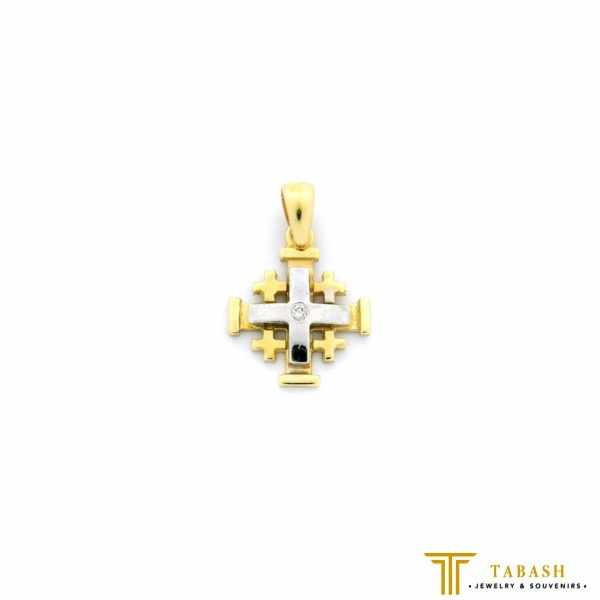
In addition to statues, religious jewellery has long served as a tangible connection to faith. The Jerusalem cross jewellery is particularly significant, symbolizing both the unity of Christianity and the city of Jerusalem itself. Often worn as pendants or rings, this jewellery incorporates the central cross with smaller crosses around it, each element representing spiritual ideas of outreach and devotion. Collectors appreciate the intricate design and the symbolic reminder of pilgrimage and religious commitment. The jewellery becomes more than an accessory; it is a personal emblem of faith, devotion, and historical reverence.
Cultural Significance and Contemporary Use of Jerusalem Cross Jewellery
Modern adaptations of Jerusalem cross jewellery maintain traditional symbolism while appealing to contemporary aesthetics. Many pieces are crafted in silver, gold, or other metals, allowing wearers to express devotion stylishly. Pilgrims visiting holy sites often acquire these items as mementos, linking spiritual journeys with physical keepsakes. The jewellery can also serve as a daily reminder of moral values, inspiring acts of kindness and devotion. Its presence in homes and collections highlights the ongoing cultural and spiritual relevance of historical Christian symbols in a modern context.
Conclusion: Preserving Faith Through Art and Jewellery
Religious art and jewellery, such as the statue of Jesus washing feet and Jerusalem cross jewellery, provide profound ways to connect with spiritual teachings. They serve not only as decorative pieces but also as tools for reflection, devotion, and education. Collectors and believers alike cherish these items for their ability to convey timeless messages. Those interested in acquiring authentic religious art or meaningful keepsakes can explore offerings from sites like tabashsouvenirs.com, where craftsmanship meets devotion. Through these symbols, faith is preserved, celebrated, and passed to future generations.


Write a comment ...